Owner-managers with international oil & gas or mining projects are already using DeFi for cross-border or international payments. International banking has become difficult for owner-managers over the last two years, and innovation has been adopted in response.
Using NFT securities for raising international capital is an interesting prospect. Observations on NFTs that are securities are made here, with the context that any notes on US securities should always include consulting US securities counsel.
NFTs are securities and utilities
Long-term utility
The owner-manager can add utility value to the NFT after the primary issuance. Oil & gas or mining projects can offer clients the option of access to something physical. In the case of gold or other valuable minerals, this has wealth-management implications. Access to physical gold with a clean source of funds is highly desirable for investors.
NFTs, branding and ESG
International owner-managers have the option of embracing the creative aspect of NFTs as an opportunity to provide investors with added value. Oil & gas and mining owners can commission local art for NFT creation and branding promotion. This represents a new community and sustainable engagement opportunity, not charity but a potential win-win business arrangement. SME owner-managers can turn ESG compliance into potential, rather than just a cost layer.
Using NFTs in conjunction with ESG compliance can work for oil & gas and mining companies. There is tremendous potential for NFT creative art with African and Latin American art at the core. The NFT presents branding opportunities while enabling owners to earn fees from traded NFTs and raise capital while addressing ESG compliance. These synergies boost the oil and gas business model.
NFTs, international transactions and permissioned DeFi networks
International owner-managers should always use and work on permissioned blockchains and networks. International transactions across permissioned networks are more conservative for interfacing with the regulated financial system.
The regulated environment will continue to evolve, especially in the US, but owner-managers need to maintain a clean source of funds and avoid complex international AML entanglements.
Digital identity systems and AML compliance layers will continue to evolve with less friction over the next two or three years. There is no need to risk litigation, especially criminal international litigation. Those planning to raise capital in the US should use a robust platform for all international transactions.
International fundraising and digital assets
The international project is best structured via a Private Investment Fund, registered using a regulated asset manager. The compliance departments of investors, custodians, and fund administrators all have different definitions of international compliance risk; compliance risk is subjective. To approach US accredited investors, unlike domestic US PE funds, a regulated platform is needed.
NFTs and raising capital for international projects
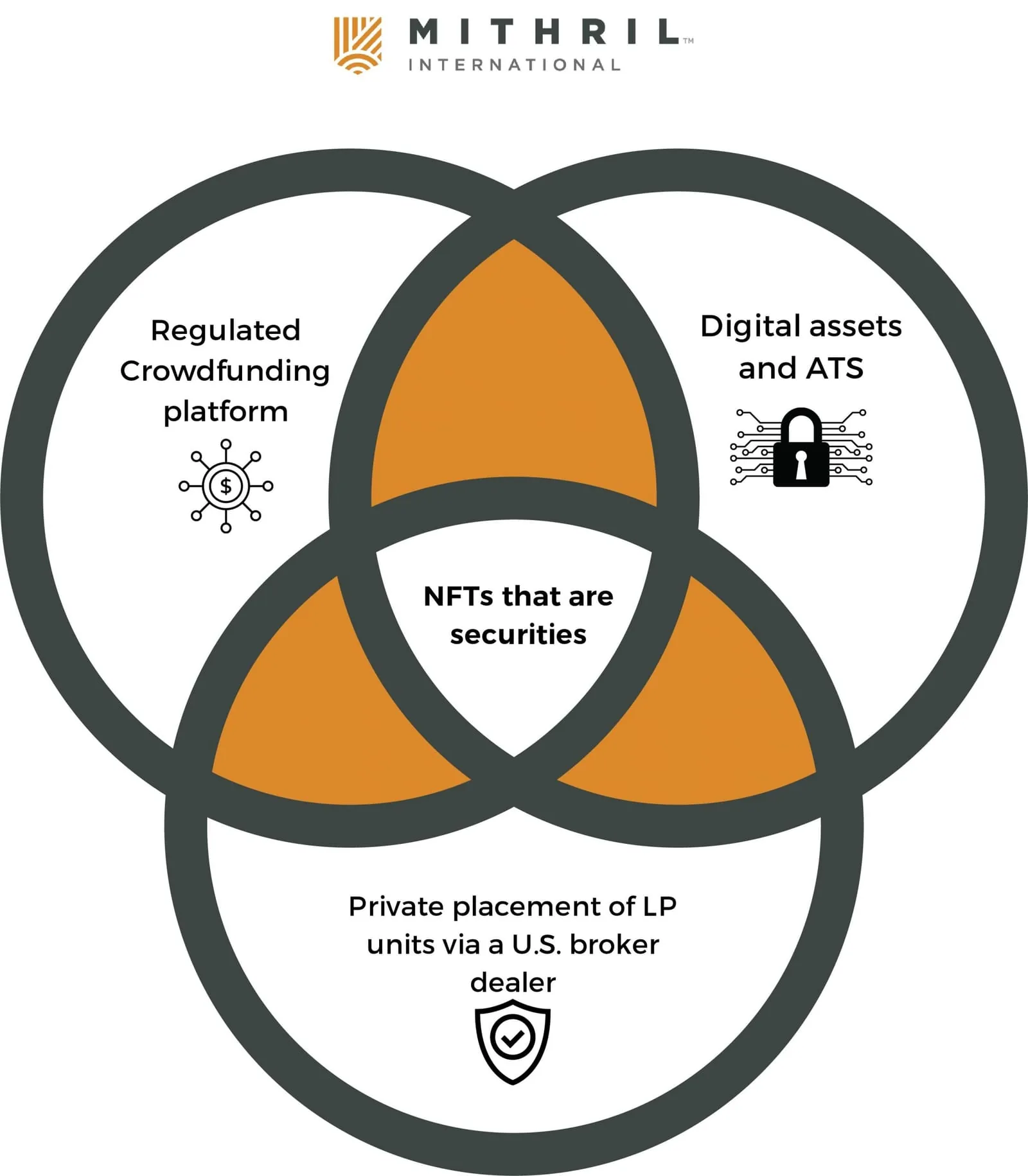
NFTs that are securities can be issued and sold by regulated platforms:
- A regulated crowdfunding platform that also has a broker-dealer license, assuming a company was established in the US or Canada.
- Digital assets and an ATS. Some crowdfunding platforms have the ability to issue digital assets and facilitate secondary trading of those digital assets. These tech stacks often include custody options, allowing asset managers to engage a single platform for a range of services. The capability is real, although practicalities are new.
- Private placement of LP units via a US broker-dealer and an LP established for US investors. The GP should include a private bank or regulated asset manager as owners and directors. Owner-managers can consider offering both traditional LP units and NFTs.
Investor protection and the separation of ownership and control
When an international owner-manager or operator sets up a Private Investment Fund, whether trust, company, or limited partnership, investor protection is a consideration, especially for savvy accredited investors.
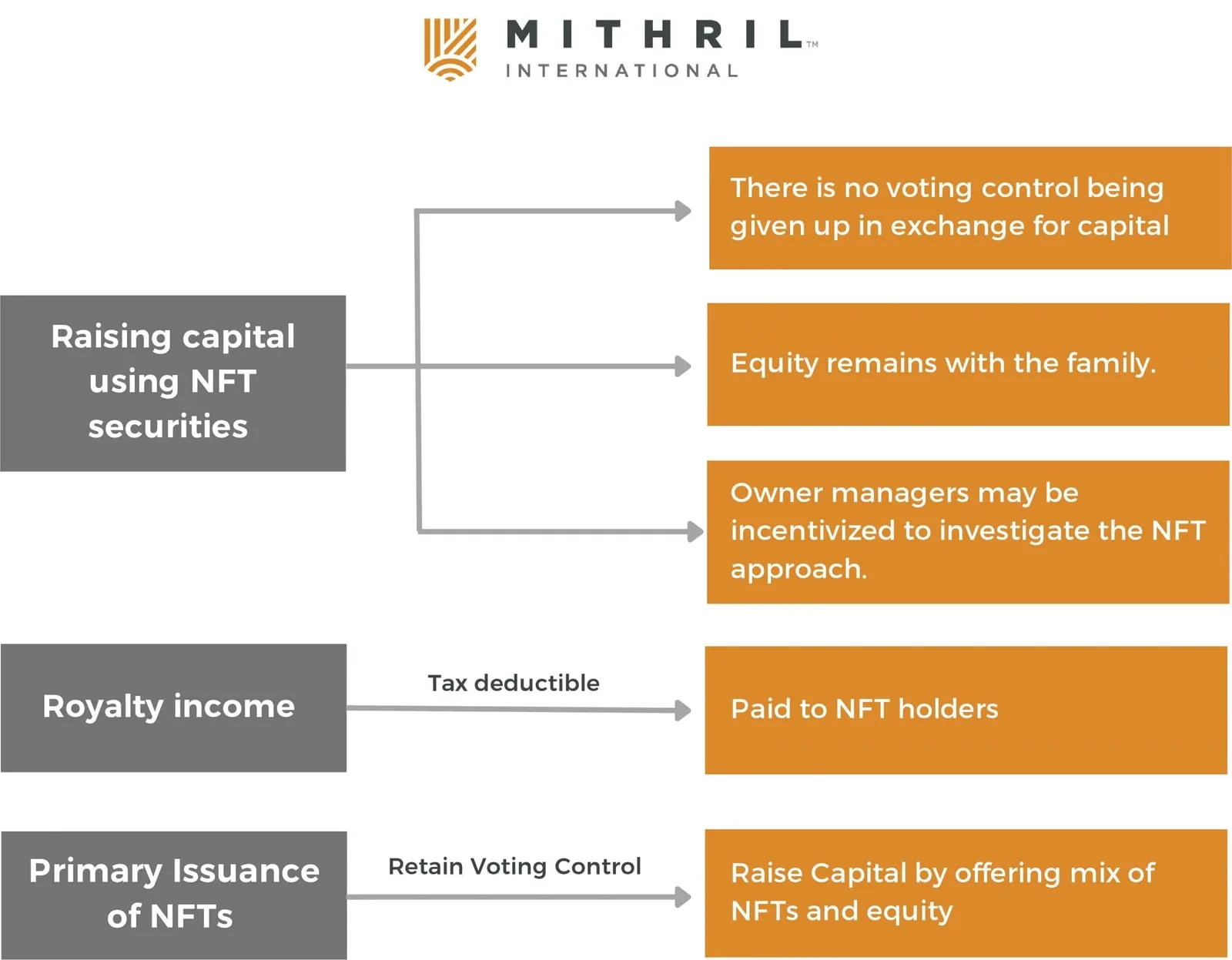
When raising capital using NFT securities, no voting control is given up in exchange for capital. Equity remains with the family, which incentivises owner-managers to investigate the NFT approach. Royalty income paid to NFT holders may be classified as royalty income rather than dividend income. Royalties are tax deductible.
Primary issuance of NFTs. NFTs are a capital-raising method without surrendering voting control. International owners can offer a mix of NFTs and equity. NFTs could incentivise strategic investors without giving up control or introducing legal uncertainty by issuing additional rights. NFTs offer potential for better shareholder alignment.
NFTs and governance
Accredited investors in Limited Partnership units typically lack project control or any ability to interfere with management. NFTs provide an avenue bringing more investor value, and potentially mitigate the perceived lack of investor protection.
Building relationships with US accredited investors
NFTs offer international owner-managers various dynamics and behaviours, balancing investor protection needs. A well-executed NFT project could offer investors the ability to trade NFTs and begin earning during the initial phase of the project. Investor ability to trade on the ATS means they do not face all LP unit restrictions and limitations. There are many ways for international owners to attach future utility to NFTs for various investors.
Accredited investors versus international investors
Some US RegCF crowdfunding platforms offer securities placement to accredited and retail investors in the US, and to international investors. This is a powerful business model considering:
- Primary issuance of digital LP units and NFTs
- Secondary trading of NFTs
- International retail and accredited investors
- US accredited and retail investors
International owner-managers should carefully consider issuing NFTs and other securities to retail and accredited investors. In the US, fiduciary duty is real, enduring law. US or Canadian corporations must hold fund shares to access RegCF crowdfunding platforms.
NFT securities in the US must be issued via the US or Canadian corporation, or via a RegCF platform, to US accredited and retail investors. Legal counsel in multiple jurisdictions must work closely together to ensure compliance. International investors gain US litigation rights as US securities and the platform would have been used. No owner-manager should deploy fundraising strategies risking international commercial litigation based in the USA.
Digital assets and transaction history record immutably on the blockchain. In the near future, social proof will be included by algorithms in compliance risk assessments.
International risk and unaccredited investors
Smaller oil & gas projects with sound track records that are being expanded, repurposed, or have additional new projects atop existing operations present risk, but may offer a better risk quantum for smaller or retail investors with existing underlying operational substance and track record.
NFTs, ESG and access to capital
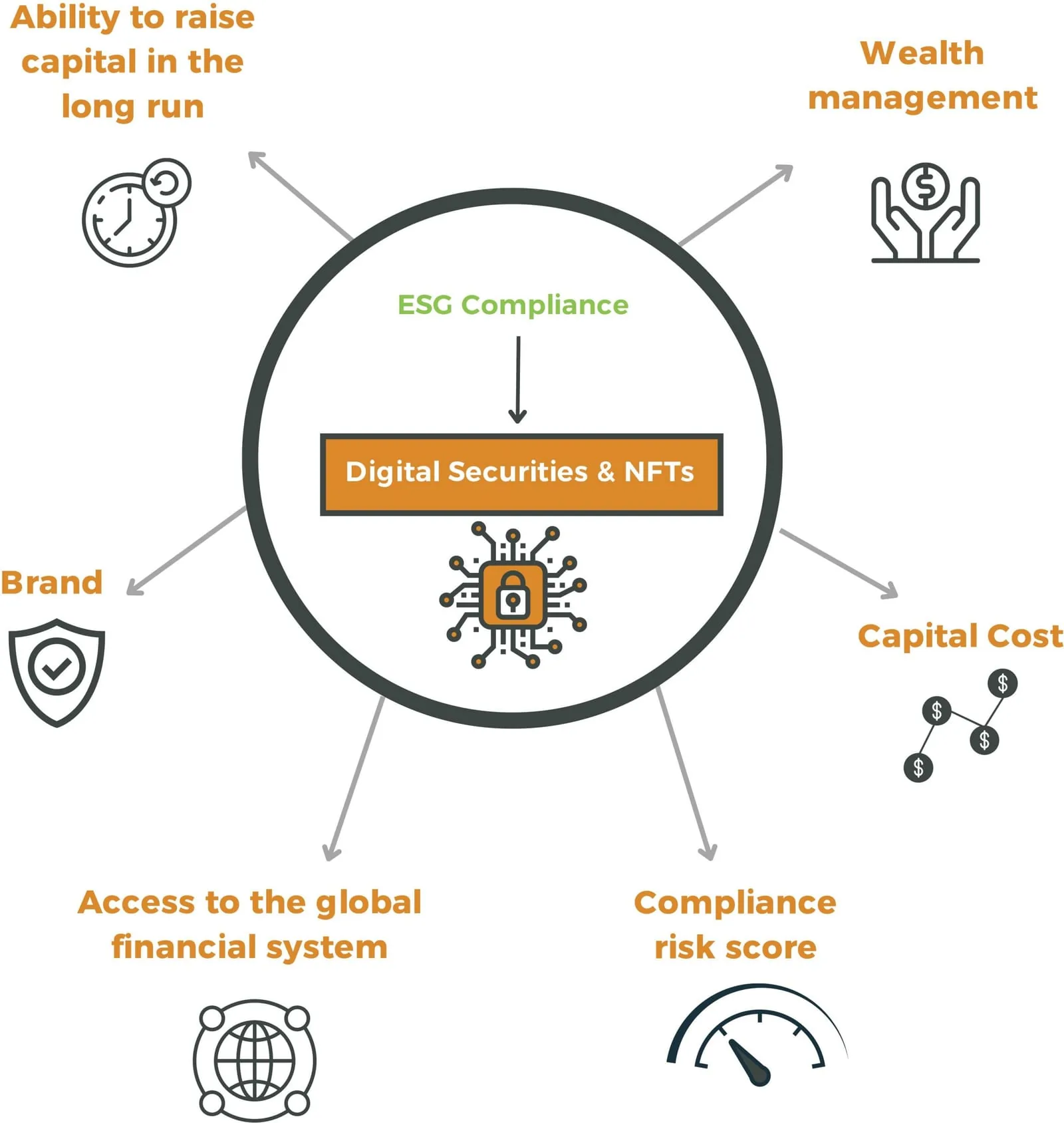
Owners should consider long-term reputation and compliance (brand) and long-term funding access. NFT projects and ESG analytics create long-term data and connections to brand, identity, and long-term actions. The historical implications of these mechanisms are new to owner-managers.
Digital securities and NFTs deployed through ESG compliance will impact:
- Brand
- Reputation, often expressed as a compliance risk score
- Ability to raise capital long-term
- Cost of capital
- Access to the global financial system
- Wealth management
Company brand and fundraising performance links will be determined by the extent of ESG project execution. Reports and allegations against ESG projects, investor complaints, and data scraped by analytics companies create available social proof, with potential financial implications for international owner-managers and firms.
International owners with high-risk exploration projects may restrict NFTs and fundraising to private placement and accredited investors only. With a good risk balance, owners can open projects to accredited and unaccredited investors, or they can raise accredited capital first, de-risk projects somewhat, then raise further second-stage capital from all international investors via NFTs and units.
International risk mitigation and Captive Insurance
Captive Insurance is a robust international project risk mitigation mechanism, especially for US compliance departments which lack risk assessment methods in international jurisdictions. US banks have a minimal footprint outside the US and Europe.
Large private banks managing US and other accredited investor portfolios will be sensitive to clients investing in high compliance risk projects due to their international nature. Private banks will be sensitive to a client's AML score being impacted by investments in international owner-managed projects.
The international owner-manager competes continuously with US domestic projects for capital. US accredited investors mainly invest domestically, and if internationally, then through large institutions.
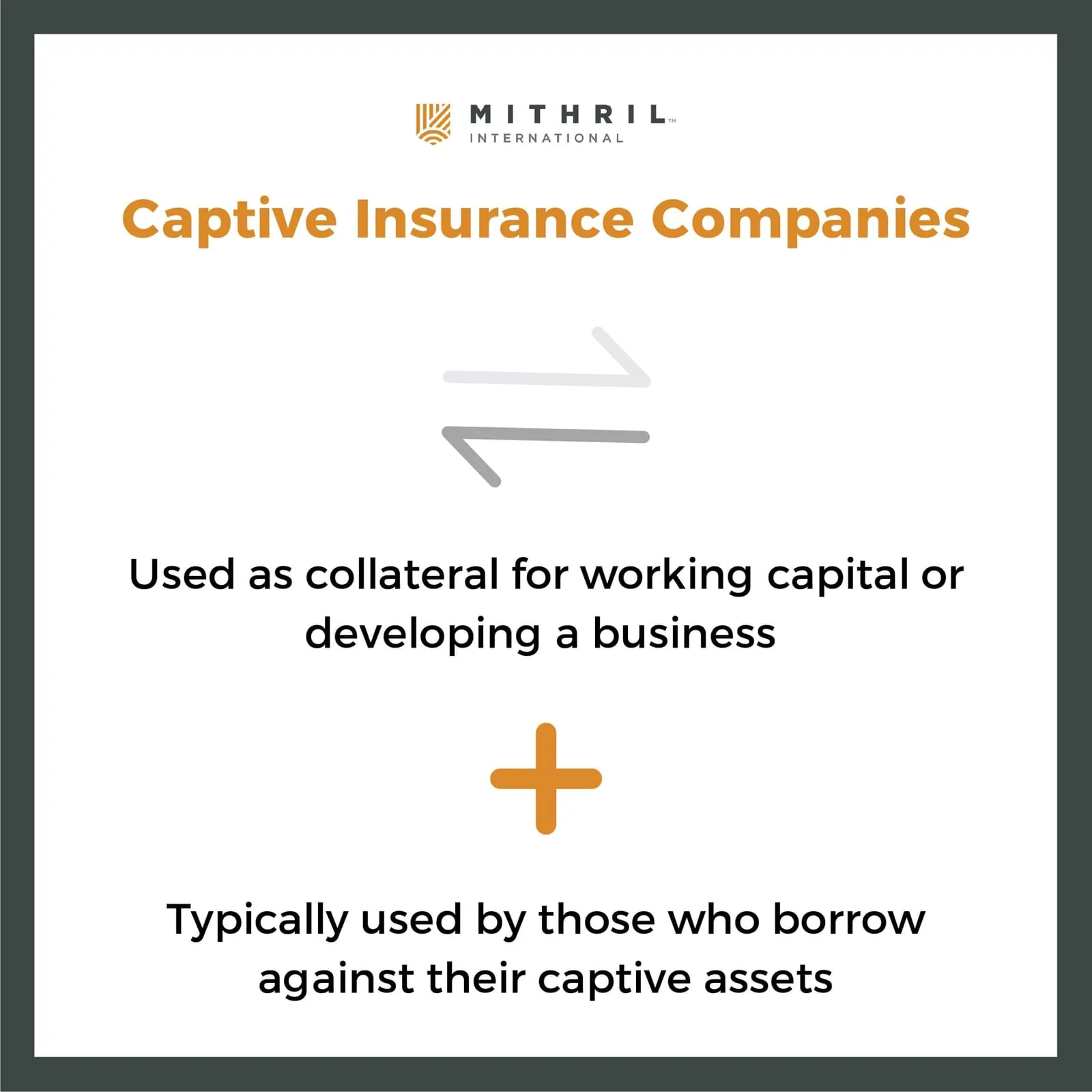
A Captive Reinsurance company built into the international project structure will substantially mitigate international risk for US accredited investors. It provides a pathway to building engagement with US accredited investors and their private banks and advisors. Captive insurance incentivises strategic investors without creating imbalance in the main Private Investment Fund.
In summary
NFTs present opportunities for oil & gas and mining company owners to use NFT projects for ESG compliance, while bringing legitimate value to operational communities.
Many US regulated institutions, private banks, and custodians will soon mandate ESG compliance. International owner-managers need to find real execution methods for good NFT projects with long-term utility tied to well-executed ESG projects.